
Diversity and inclusion
On this page:
Ensuring better disaster recovery and resilience outcomes for Queenslanders
Our commitment to diversity and inclusion
The Queensland Reconstruction Authority (QRA) is committed to advancing diversity and inclusion through all aspects of its work. By embedding equity, diversity and inclusion principles into recovery and resilience efforts, QRA aims to ensure that all Queenslanders are supported and empowered to recover after disaster events.
QRA recognises diversity and inclusion efforts in focus areas such as:
- Gender equality – promotes equal rights and opportunities for all genders, including individuals of diverse sexual orientations, gender identities and sex characteristics.
- Disability equity – ensures people with disabilities have equal access to opportunities, services and participation in society.
- Social inclusion – fosters an inclusive society where all individuals can participate fully in social, economic and political life. For example, this may be influenced by geographic remoteness of a community, socio-economic status or cultural and linguistic diversity (CALD).
QRA recognises individuals may have multiple, intersecting identities that create unique experiences of inequality and disadvantage.
Approach
Learn about Queensland’s approach to diversity and inclusion, and how understanding diversity informs our strategic approach to disaster resilience and recovery to ensure better outcomes for Queensland.
Queensland‘s population has diverse cultural backgrounds and experiences. The 2021 Census[1] revealed:
- 1 in 5 Queenslanders were born overseas, representing over 220 countries.
- 12.5% of Queenslanders speak a language other than English at home.
- 4.6% of Queensland residents identified as being Aboriginal and/or Torres Strait Islanders, representing nearly 30% of Australia’s Aboriginal and Torres Strait Islander population.
- Almost 27,000 Queenslanders who speak a language other than English at home have a need for assistance with core activities, with nearly 63% of this group, aged 65 years or over.
Understanding these diverse characteristics is essential for developing resilience, and successful disaster recovery.
Some groups are disproportionately impacted by disaster events. For example, seniors and people with disability are twice as likely to be injured and experience social isolation due to a disaster.[2] In Queensland, disaster events can affect rural, remote, coastal, urban and Indigenous communities in different ways. In some areas, the increasing severity and frequency of events may also compound existing vulnerabilities.
By incorporating diversity and inclusion principles into recovery and resilience planning and activities, QRA can address specific needs and provide inclusive support, ensuring no one gets left behind. This is particularly important to ensure administration of state laws and programs are undertaken in line with the Anti-Discrimination Act 1991[3].
_________________________
Information sources:
[1] Queensland Government Statistician’s Office, Queensland Treasury, Diversity Figures, 2021.
[2] Queensland Reconstruction Authority, Queensland Strategy for Disaster Resilience.
To build stronger, safer and more resilient Queensland communities, QRA must consider the potential vulnerabilities of Queenslanders. This is particularly important to strengthening resilience through preparedness, a principle of the QRA Strategic Plan.
Supporting the vulnerable is recognised as one of Queensland’s resilience priorities identified by the State Recovery and Resilience Group (SRRG).[4] This priority aims to strengthen disaster management systems to provide timely response and recovery support for vulnerable groups, including people with disabilities, seniors, Aboriginal peoples and Torres Strait Islander peoples, culturally and linguistically diverse communities, and individuals experiencing homelessness and/or domestic violence.
Every two years, QRA commissions the Queensland State of Preparedness Report to better understand how Queenslanders’ lives are impacted by extreme weather, what they’re doing to get ready and what barriers they experience in getting started.
The 2024 report showed that people who feel least prepared for a disaster event generally:
- speak English as a second language
- are aged 18–29
- are renters
- do not have building and/or contents insurance
- have an annual household income of $50,000 or less
- are living with a disability.[5]
This information helps QRA design for inclusive recovery and resilience activities, ensuring all Queenslanders are effectively supported.
____________________________
Information sources:
[4] 2023-2024 State Recovery and Resilience Plan
[5] Get Ready Queensland, Queensland State of Preparedness Report
The Queensland Strategy for Disaster Resilience 2022-2027 (QSDR) promotes a systems approach to resilience that connects with a range of agencies and sectors to deliver improved outcomes for Queensland.
The QSDR[1] recognises that people with disabilities and seniors and their carers, and people from culturally and linguistically diverse backgrounds who have no or low proficiency in English, are particularly vulnerable to disasters. Key actions include:
- distributing disaster information in accessible formats and languages other than English.
- partnering with community groups to support vulnerable members.
- supporting organisations assisting people at risk of homelessness and poverty.
- empowering individuals, households, and businesses to build resilience, focusing on those disproportionately affected by disasters.
The QSDR also emphasises listening to and learning from Aboriginal and Torres Strait Islander peoples. Actions include:
- supporting environmental stewardship programs that incorporate Aboriginal and Torres Strait Islander peoples’ knowledge
- assisting Aboriginal and Torres Strait Islander councils with climate adaptation planning
- developing regional waste management plans to reduce disaster risks.
____________________________
Information sources:
[1] Queensland Reconstruction Authority, Queensland Strategy for Disaster Resilience.
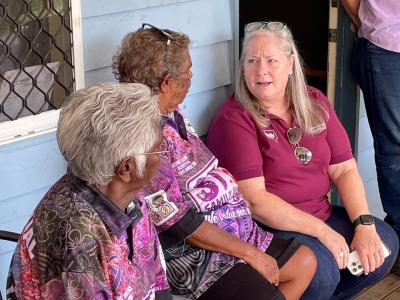
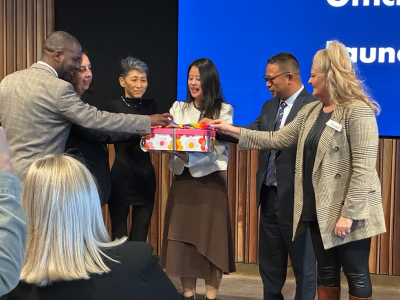
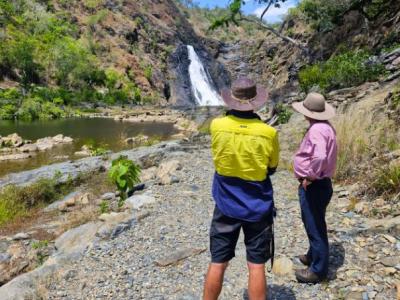
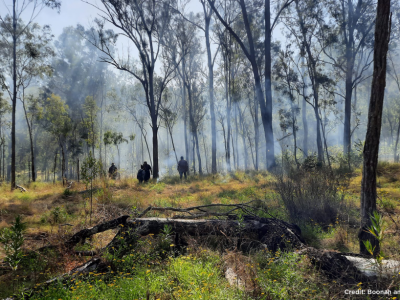
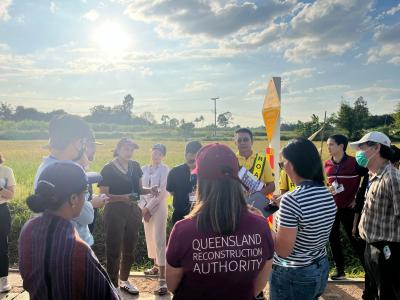
Case studies showing diversity and inclusion in action
Print version (PDF) - fact sheet and case studies
Learn about Queensland’s approach to diversity and inclusion, and how understanding diversity informs our strategic approach to disaster resilience and recovery to ensure better outcomes for Queensland.
Last updated: 14 January 2026
QRA Reference: CM QRATF/25/8716.