Rebuild preserves piece of Queensland’s engineering history
More than a hundred years ago, in one of the first big jobs undertaken by Queensland's then newly formed Main Roads Board, workers cut a road through the Gold Coast hinterland’s rainforest.
Affectionately known as the “Goat Track", it was built to connect the farming community of North Tamborine to the Tamborine railway station at the bottom of the mountain, providing farmers with better market access for their produce and increasing tourist access to the mountain plateau above.
Built between 1922 and 1925 as one of the state's first stretches of bitumen, Tamborine Mountain Road encouraged holidaymakers and visitors in the inter-war period in South East Queensland to travel to the mountain’s guest houses that remain popular to this day.
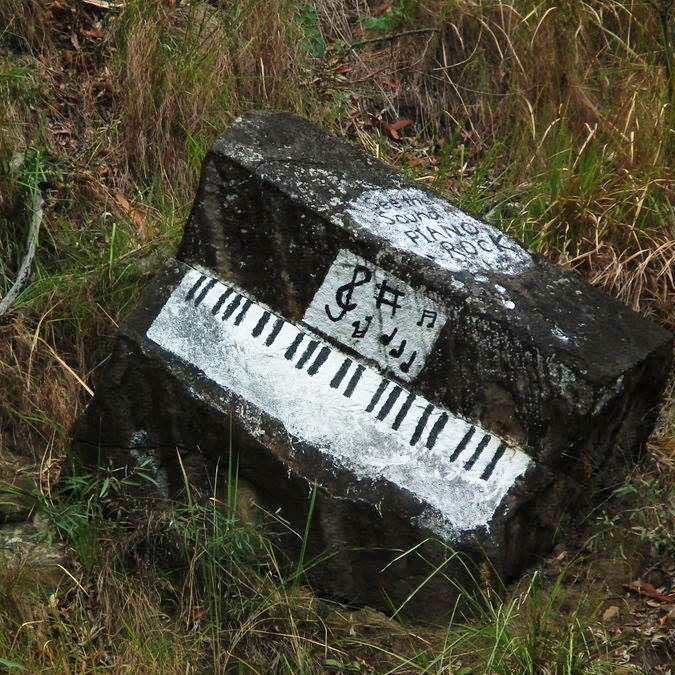
Nowadays, as it winds through lush rainforest passing iconic landmarks like Piano Rock, Tamborine Mountain Road remains both a vital transport link and a popular scenic drive.
That strategic importance was underlined in late 2023 when a series of severe storms, including the Christmas Eve blow locals dubbed "the tornado", swept across South East Queensland.
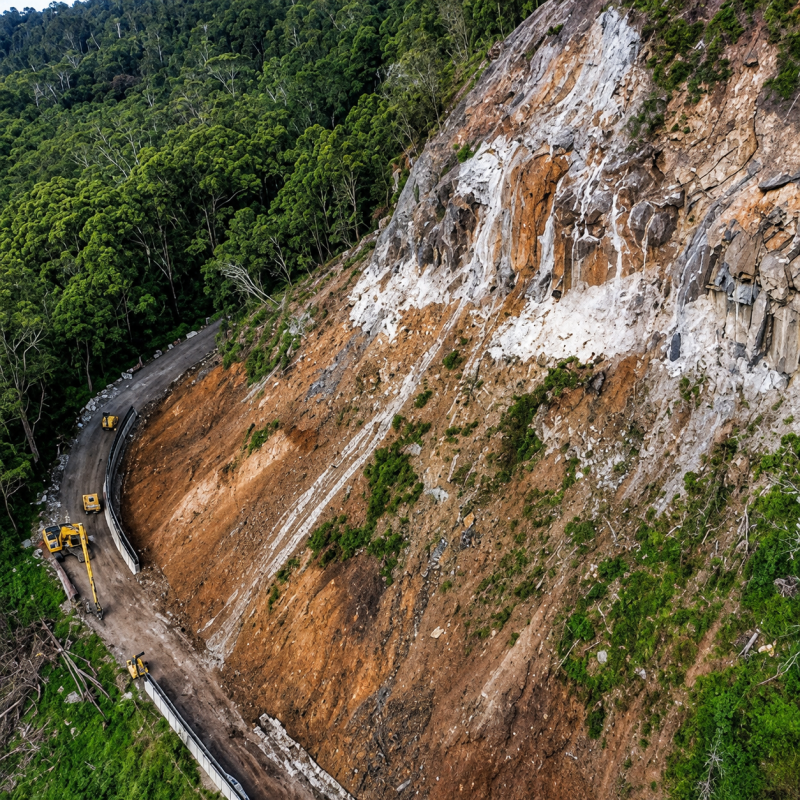
Torrential rain, destructive winds, landslips and fallen trees left a trail of destruction across the Tamborine Mountain region including badly damaging the historic road.
Among the hardest-hit assets was a heritage-listed culvert about 200 metres downhill from North Tamborine Village’s popular Songbirds Rainforest Retreat.
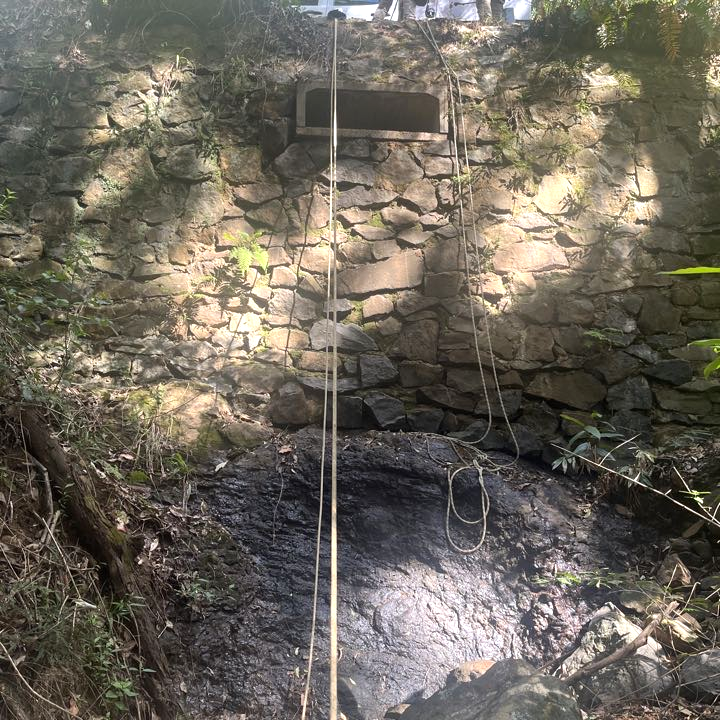
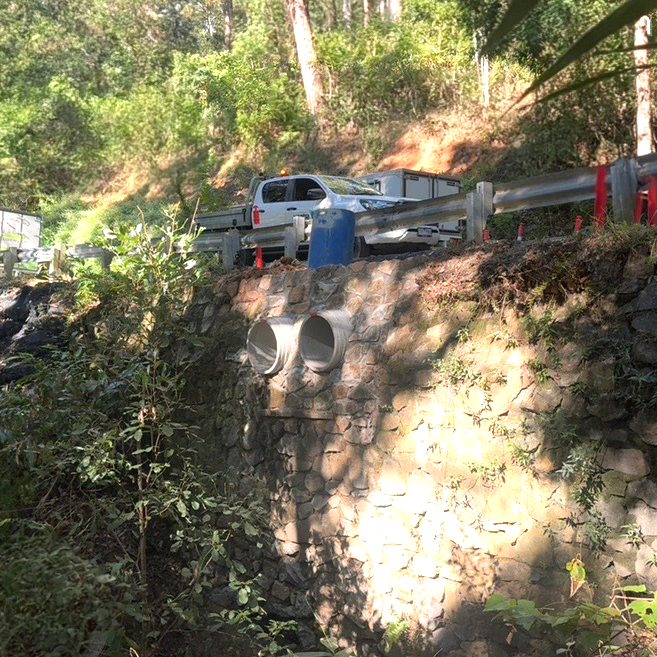
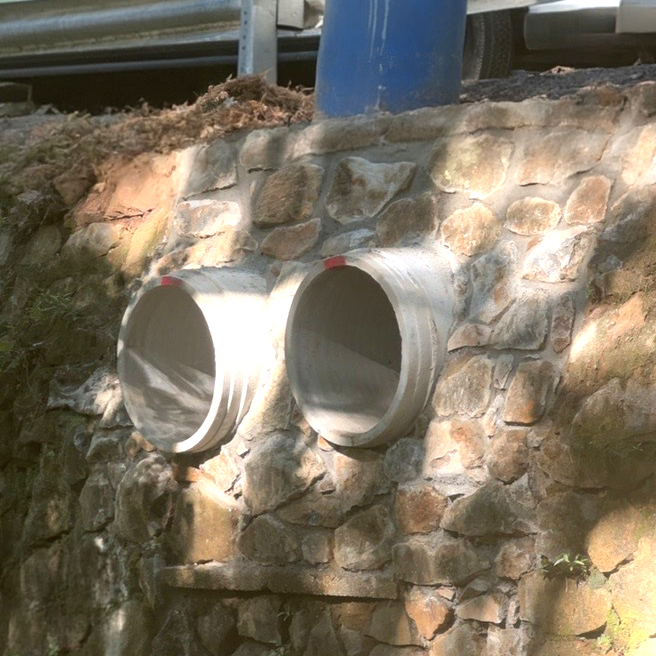
Built in the 1920s, the drainage structure is a concrete box culvert with a distinctive stone-and-mortar outlet, resembling an ancient stone wall.
Debris washed downstream during the storm completely blocked the culvert, cutting off the water flow.
As the pressure built up, the culvert displaced and tore into the crossing, scouring around the inlet and damaging both the 10-metre-long culvert and the five-metre-high stone retaining wall at the outlet.
Fixing the site meant balancing two priorities: restoring the road and protecting its heritage value.
Under heritage conservation requirements, the original stone retaining wall was meticulously dismantled by hand, stone by stone.
Each stone was catalogued and put back in place by a specialist heritage stonemason engaged by Queensland’s Department of Transport and Main Roads, to retain the rebuilt wall’s original look and character.
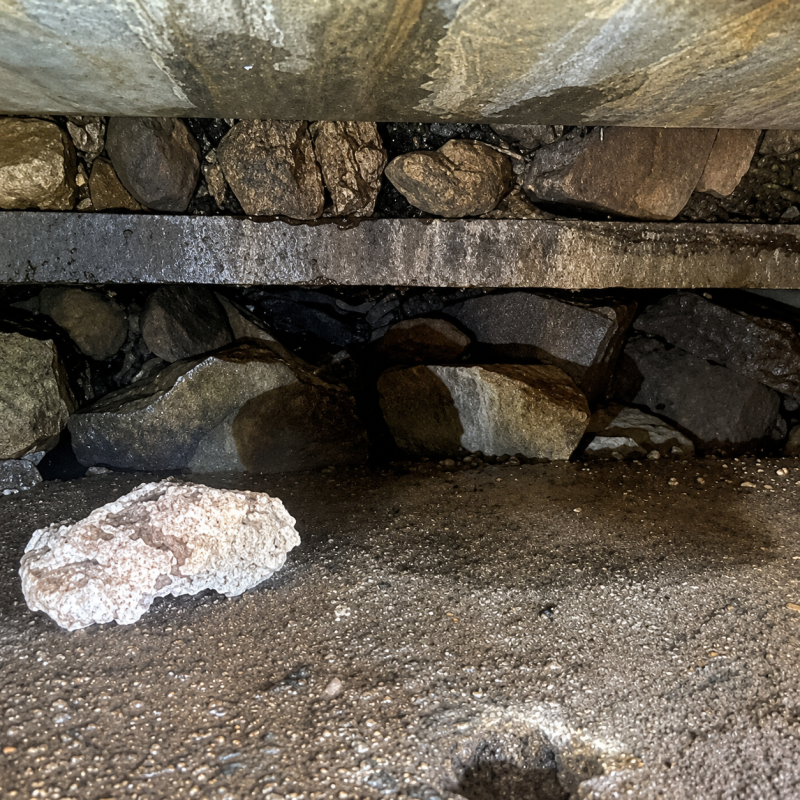
Alongside that heritage work, engineers repaired the culvert itself, installing dual reinforced concrete pipes built to better handle future floods.
Reconstruction wrapped up in early May 2026, restoring safe access along the “Goat Track” and protecting a piece of Queensland's engineering history in the process.
This restoration project was jointly funded by the Australian and Queensland governments under the Disaster Recovery Funding Arrangements (DRFA).