Protecting the secret life of caves
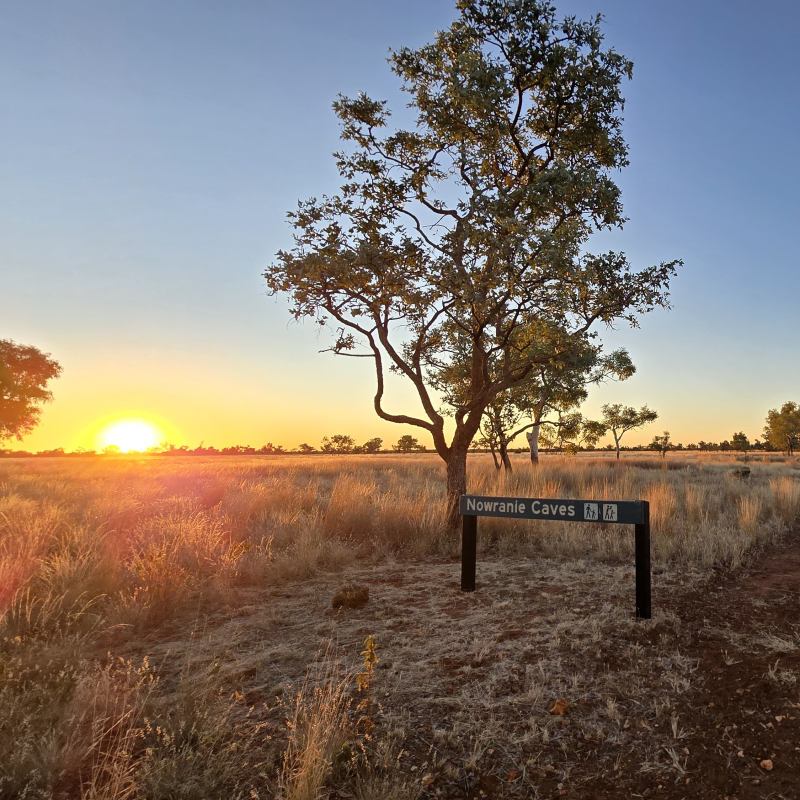
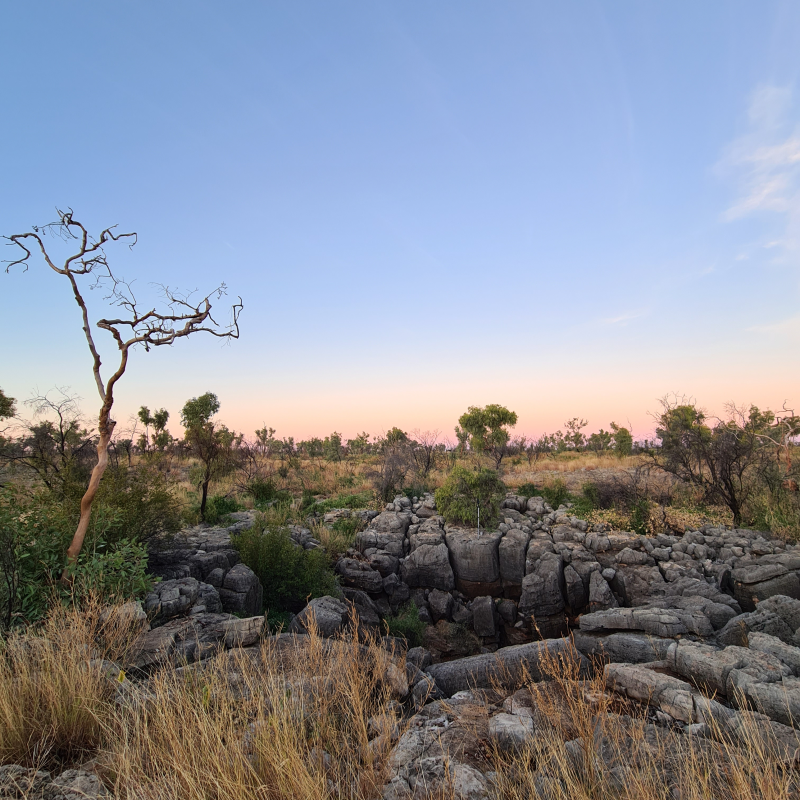
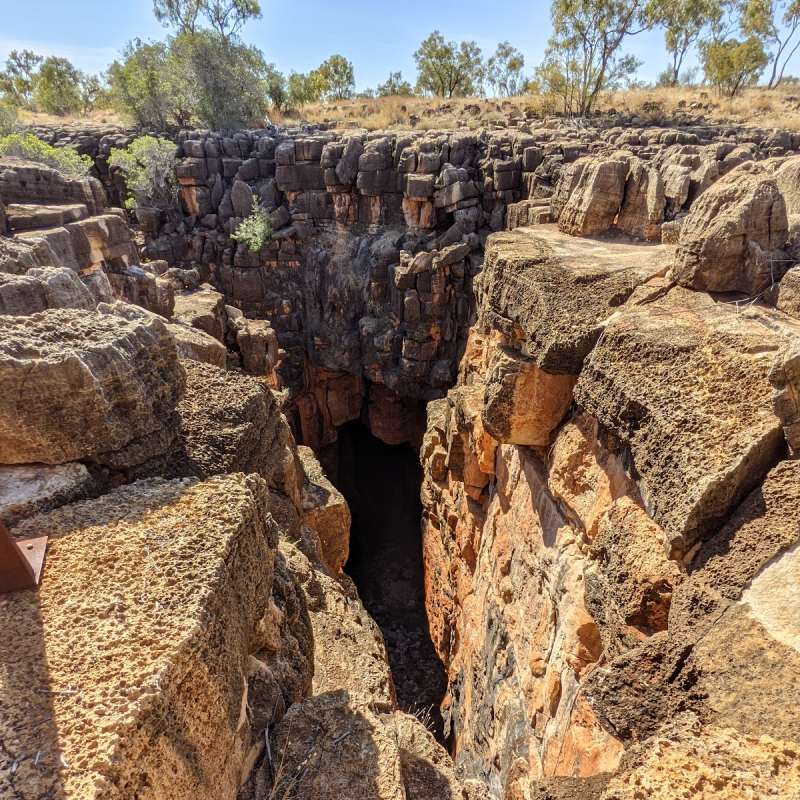
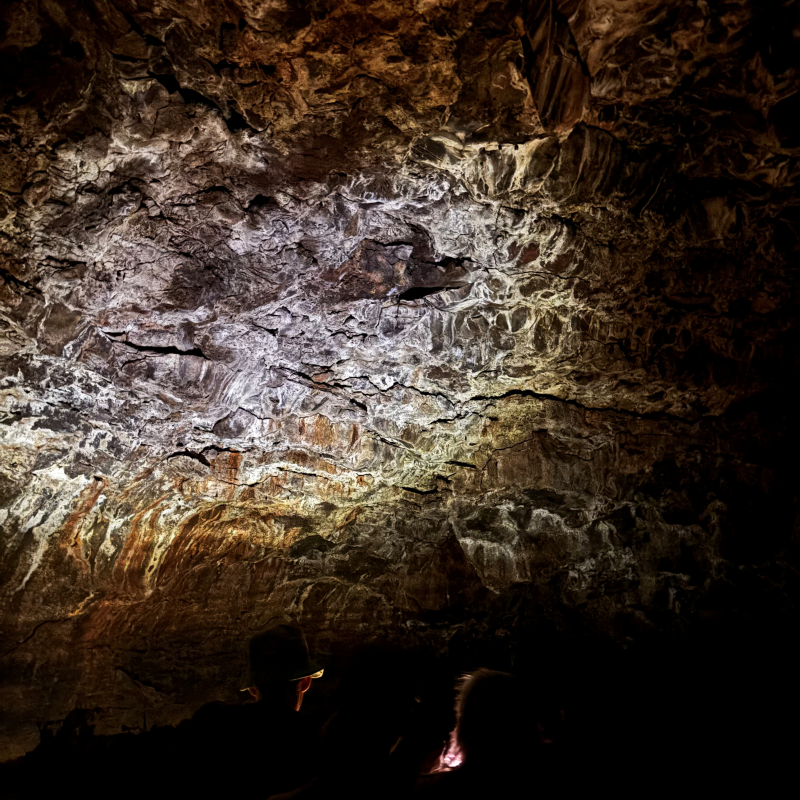
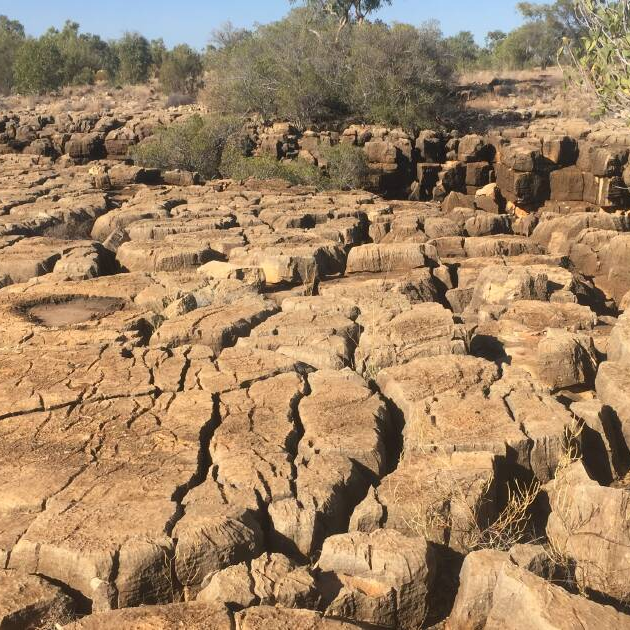
It's easy to overlook the underground when assessing disaster impacts, but an extensive cave system beneath the Barkly Tableland, roughly 200 kilometres west of Mount Isa, is far more than holes in the ground.
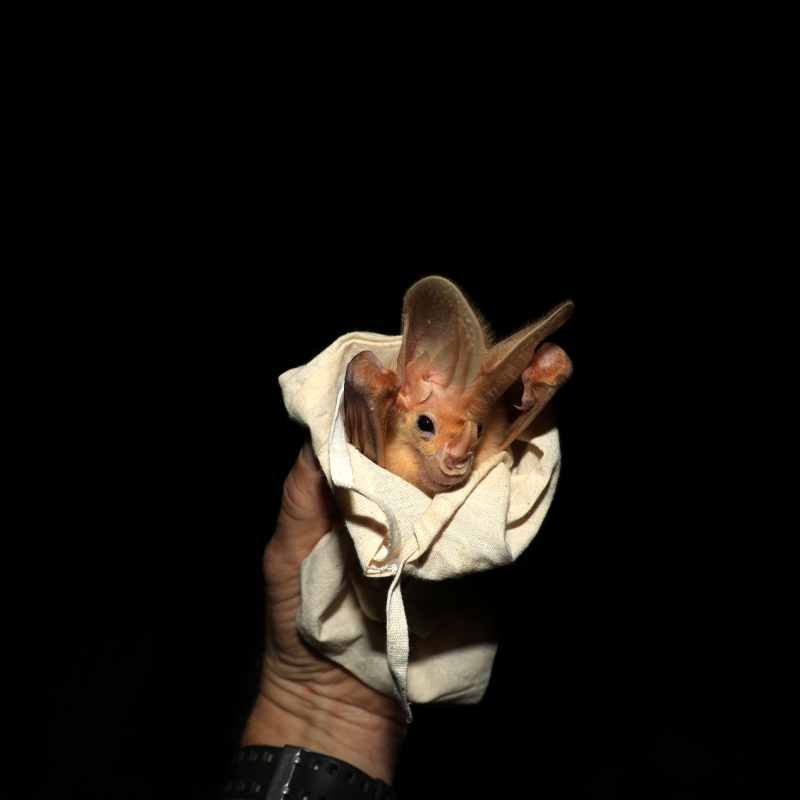
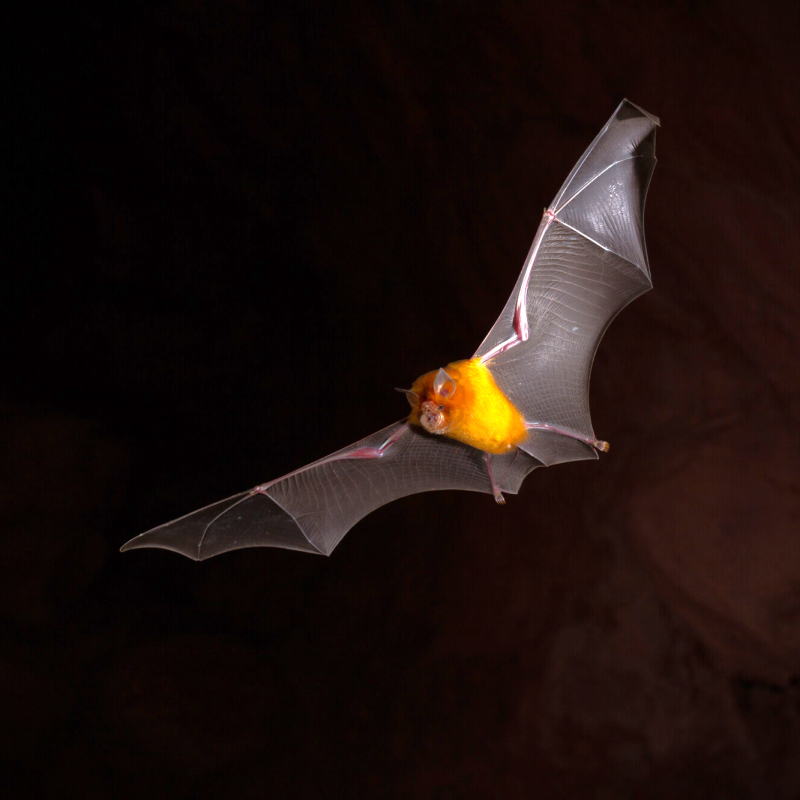
Part of the Wiliyan-ngurru National Park, the Camooweal Caves are home to Traditional Owners the Indjalandji-Dhidhanu people and also unique subterranean life including two threatened species: the ghost bat and the orange leaf-nosed bat.
In 2023 this vital underground environmental and cultural asset took a massive hit from floodwaters.
Understanding the damage to this hidden world required a broad team effort.
To achieve this, Queensland's Department of the Environment, Tourism, Science and Innovation (DETSI) and the Dugalunji Aboriginal Corporation (DAC) partnered with Lake Eyre Basin Rangers, the Indjalandji-Dhidhanu Aboriginal Corporation, the Australian Speleological Federation, James Cook University's TropWATER centre, and Queensland Parks and Wildlife Service.
Together they assessed flood impacts across four Camooweal Cave systems, two of them within Wiliyan-ngurru National Park, with two goals in mind: understand what the floods had done to biodiversity and groundwater, and build a baseline of environmental data for the future using environmental DNA (eDNA) sampling.
Assistance from a jointly funded Commonwealth-state Disaster Recovery Funding Arrangements (DRFA) Environmental Recovery Program, delivered in response to the 2023 flood event and administered by DETSI, was boosted by further investment from federal Treasury's First Nations Economic Partnership.
Other project partners also contributed in-kind support including project management, field assessments, Traditional Owner participation, and knowledge sharing.
Rather than relying solely on physical surveys, which can be difficult and disruptive in a fragile cave environment, the team turned to eDNA sampling, collecting soil and water samples to detect traces of genetic material left behind by animals as they pass through.
Tissue samples collected from ghost bats is laying the groundwork for a species-specific eDNA primer, a scientific tool that will make it far easier to detect ghost bat presence in future monitoring without needing to see or disturb a single bat.
In welcome news, survey results confirmed ghost bats and orange leaf-nosed bats are still active throughout the cave systems.
Additionally, the sampling detected a total of 37 vertebrate species spanning frogs, birds, skinks and mammals.
This project shows how powerful eDNA sampling can be for understanding biodiversity in challenging environments, where traditional surveys are limited and disturbance needs to be kept to a minimum.
It also shows what's possible when Traditional Owner knowledge and leadership are woven into scientific methodology.
DETSI now has a foundation dataset for the Camooweal Caves that will guide future environmental monitoring, help prioritise disaster recovery actions, and support the ongoing protection of threatened species in the region.
And with a bat-specific eDNA primer in development, future monitoring will have a genuinely non-invasive tool for tracking these elusive species.