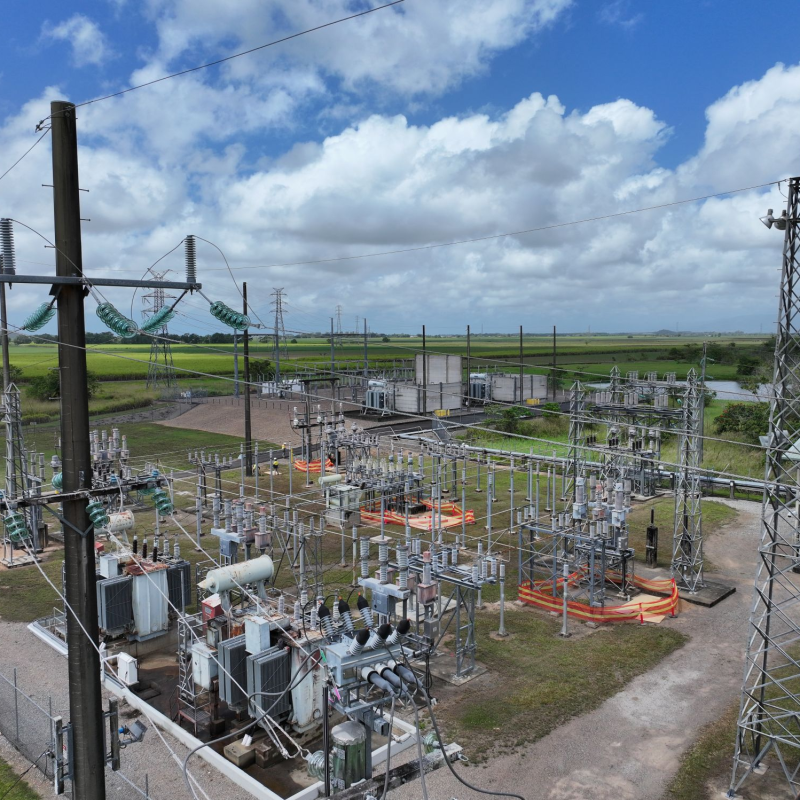
Resilience works reenergise Ingham Substation
When the rains come down and the rivers rise, it’s not only roads and homes that suffer inundation and destruction and need vital disaster assistance to grow resilience.
Critical community infrastructure like electrical substations are particularly vulnerable to flood inundations, and impacts from power outages have the potential to send shockwaves across a region.
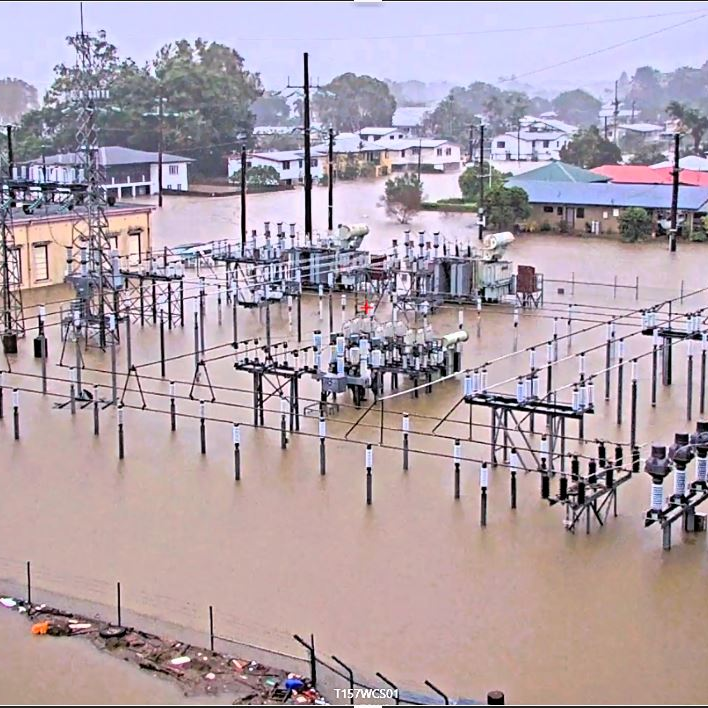
In early 2025, days of torrential rain swamped north Queensland, including the town of Ingham, with floodwaters rapidly rising to record heights in many parts of the north.
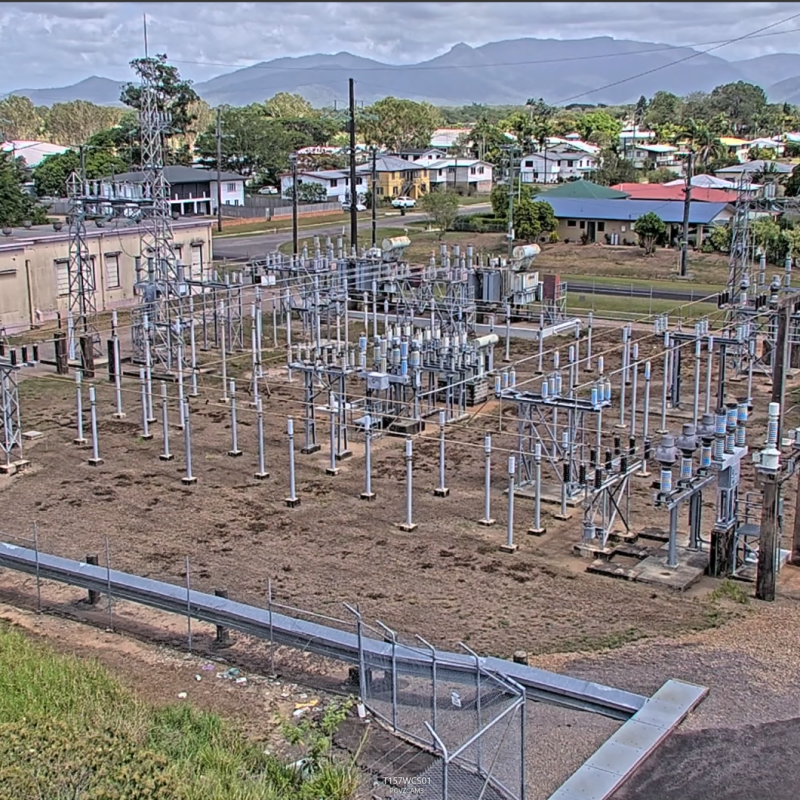
Ingham Substation was at the centre of the flood threat, and being positioned on low-lying land between two creeks it quickly went underwater with flood levels over a metre in the area.
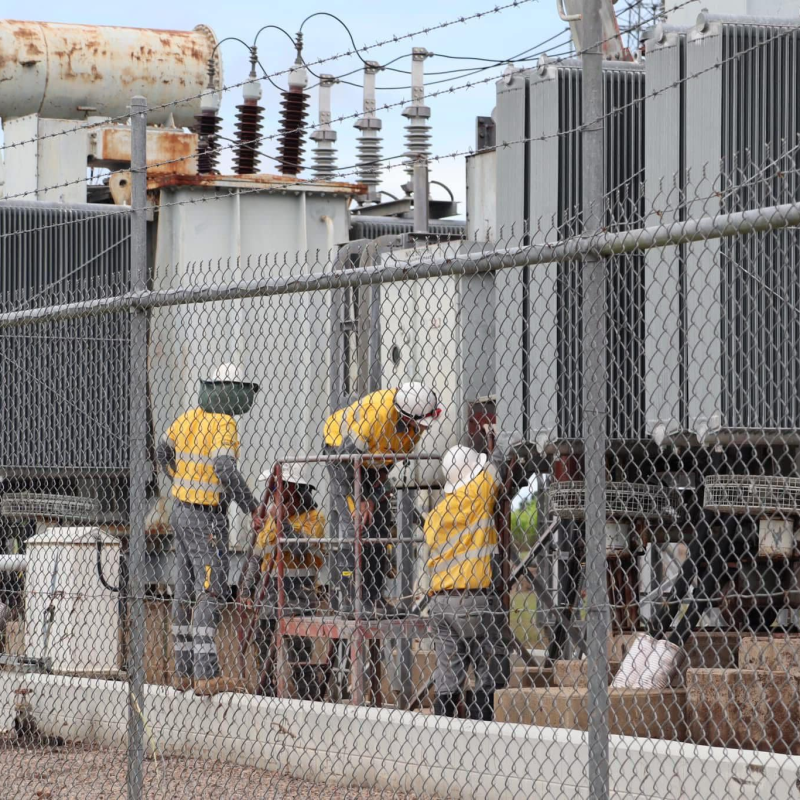
Marshalling boxes and transformers were turned off ahead of time, however, that couldn't prevent significant damage to the infrastructure, leaving the Ingham community without power for more than a week.
Not only were urgent repairs to the substation required, but resilient upgrades were also needed to reduce the chance of a repeat situation in the future.
The Queensland Reconstruction Authority, Ergon Energy and Hinchinbrook Shire Council worked together to reconnect Ingham as quickly as possible.
This important work happened at speed as soon as it was safe to carry out repairs, but at the same time wheels were already in motion towards a more sustainable long-term solution.
QRA led the way in activating disaster support for immediate fixes as well as identifying a funding mechanism to build greater flood resilience into the substation.
Doing this would ensure the next major flood event would not have the same severe impacts on the community.
Using efficiencies from Queensland’s joint Commonwealth-state Disaster Recovery Funding Arrangements (DRFA) reconstruction program, $1.61 million was allocated through the state government's Queensland Resilience and Risk Reduction Program for flood protection enhancements to the substation.
QRA’s effective management of more than $30 billion in works since 2011 has made Queensland's DRFA funding go further, allowing efficiencies to be redirected to more disaster resilience and recovery projects when needs arise.
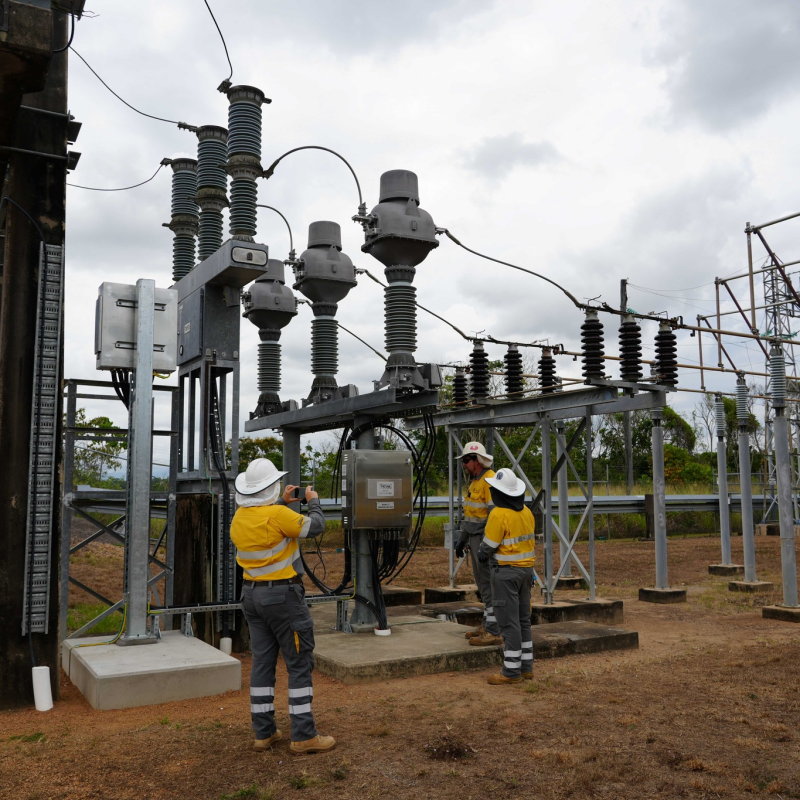
Ergon used flood data collected by QRA during the 2025 flood event as their measure when raising the height of infrastructure critical to the operation of the substation.
This included relocating multiple 66,000-volt plant marshalling boxes and alterations to breathers connected to transformers to avoid inundation and oil contamination.
Ergon also installed a sophisticated flood monitoring system, including new analytical cameras, and upgraded communications to their network control centre.
The new system will monitor water levels within the substation in real time, allowing for more informed decision-making in crisis situations.
These resilience upgrades do more than just protect poles and wires – they aim to create an uninterrupted energy supply that provides increased protection for people's homes, businesses and jobs.
This is a positive outcome for the community and region, and its economy.
For residents of Ingham, QRA’s prioritisation of flood resilience within regional planning will reap benefits with every passing disaster season.
By taking a systems approach to issues management in the disaster recovery and resilience space, the best results are being achieved for communities and for Queensland.