Building back smarter: Queensland's new blueprint for flood resilient homes
When floodwaters tore through Queensland communities in the summer of 2021-22, they left behind more than damaged homes, destroyed infrastructure and shattered livelihoods.
They also revealed a hard-won understanding of what works and what doesn't when it comes to rebuilding in the wake of severe weather, so future disasters won’t have the same impact as those past.
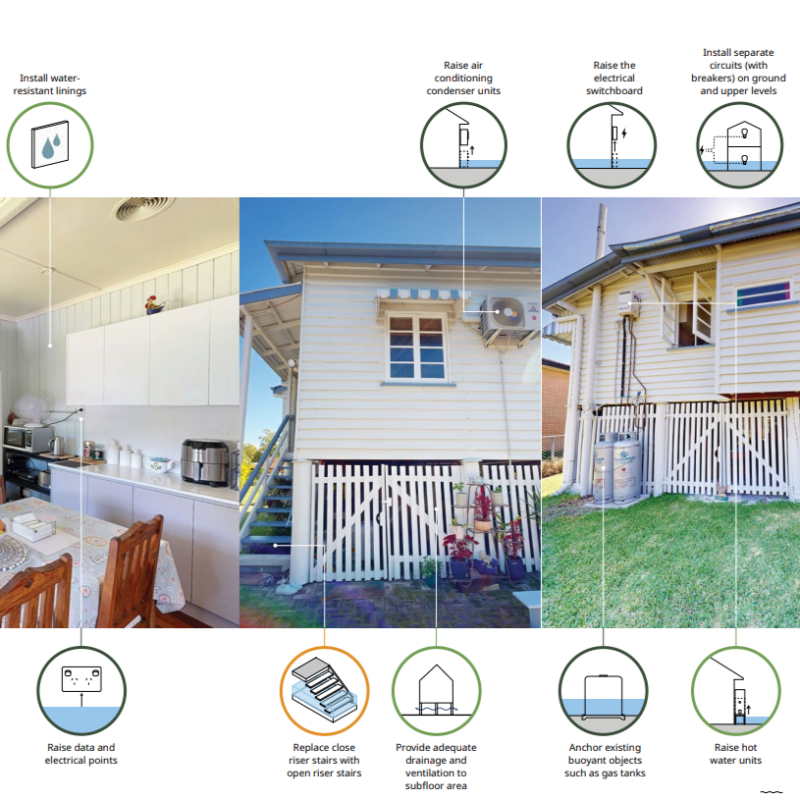
Later in 2022 that knowledge was distilled into the practical and accessible Design Guidance for Flood Resilient Homes.
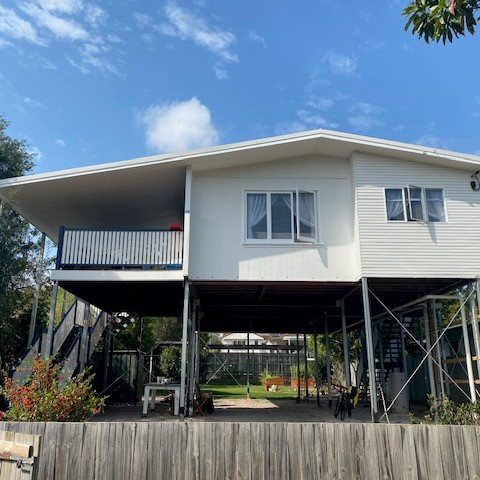
This document was available to all Queenslanders but was specifically developed to help homeowners undertaking resilient retrofitting and home raising works through the Resilient Homes Fund (RHF).
The RHF is a $741 million program jointly funded by the Queensland and Australian Governments through the Disaster Recovery Funding Arrangements (DRFA), developed in response to the major flood disasters of 2021-22.
Over the past four years families have leveraged the Design Guidance for Flood Resilient Homes when raising their house, rebuilding, or improving a home’s flood resilience.
Now, the guidance has been enhanced, informed by the experiences of homeowners supported through the RHF.
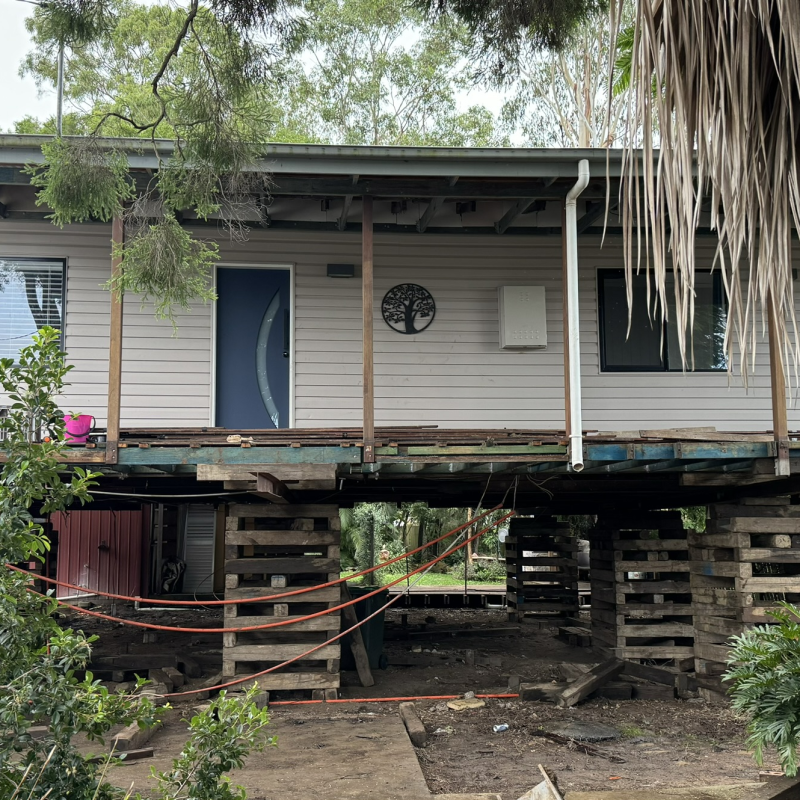
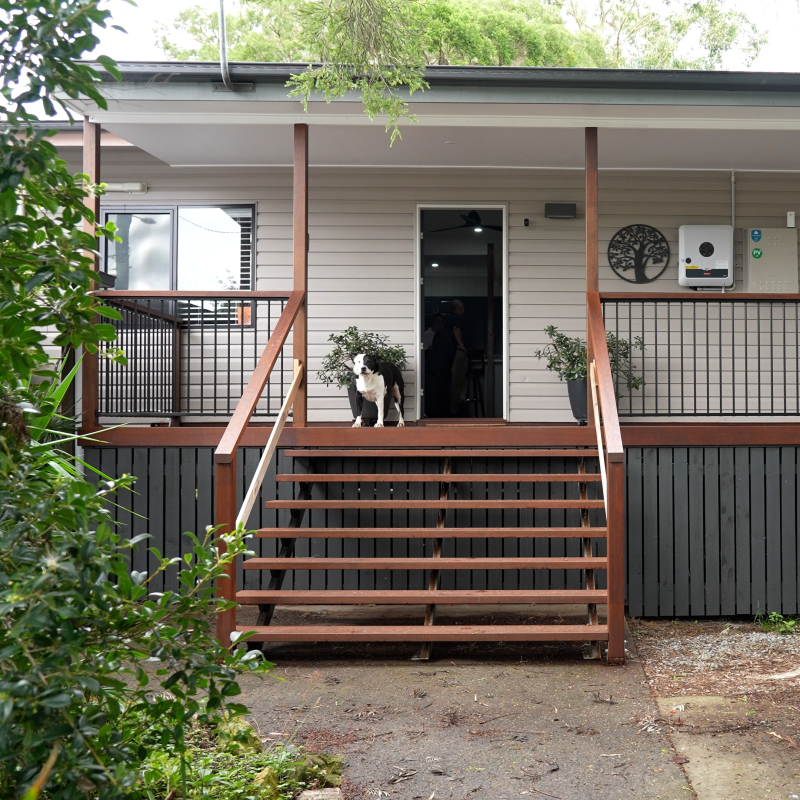
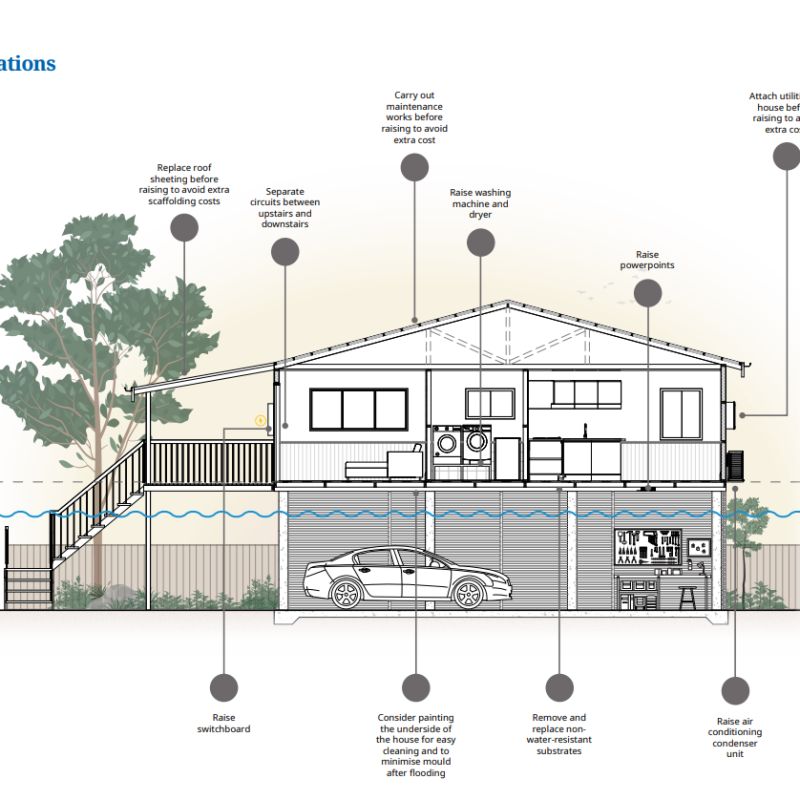
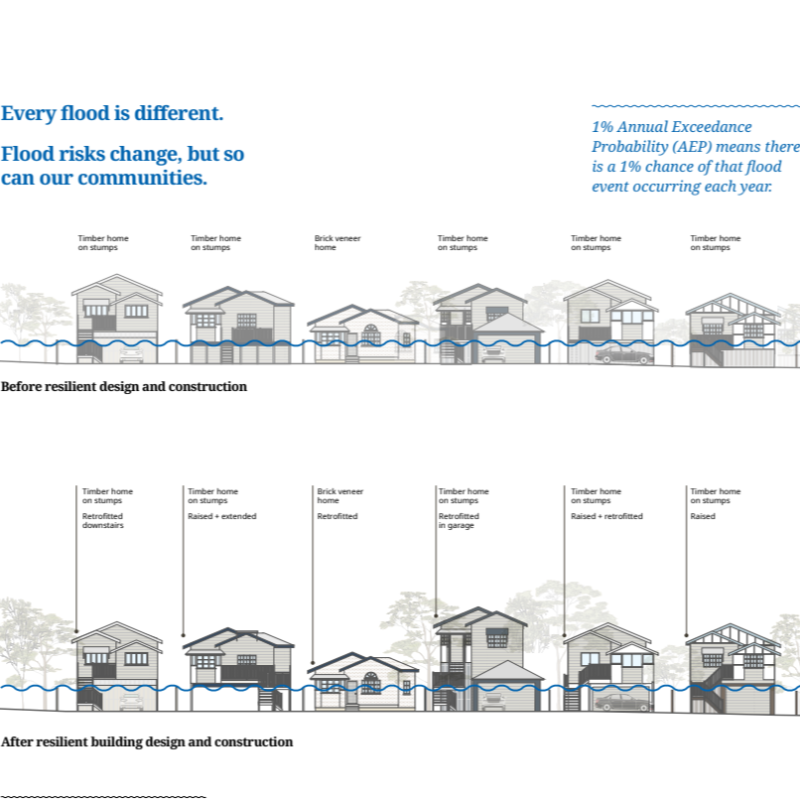
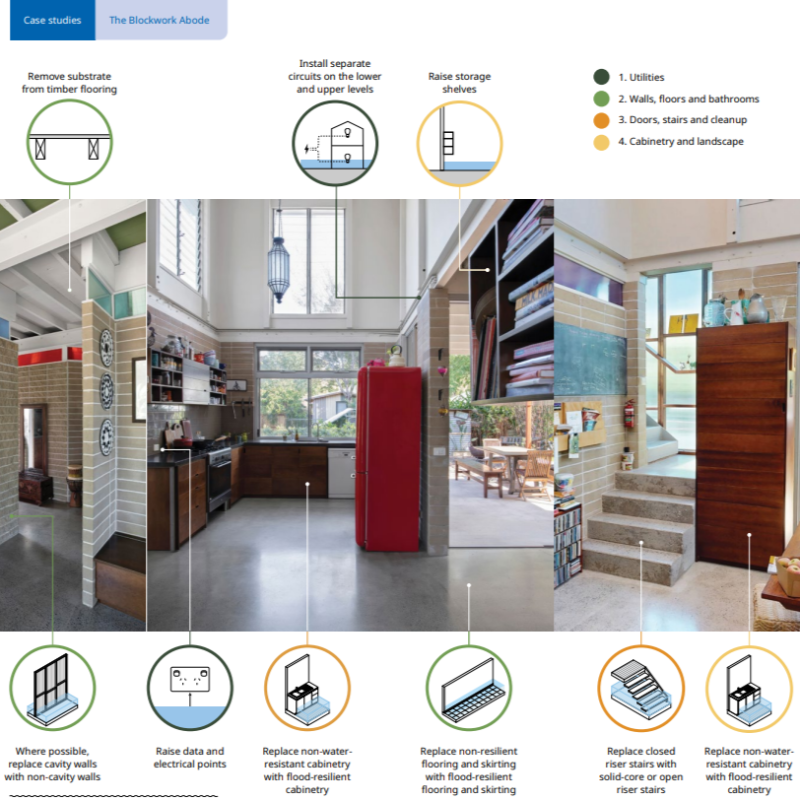
This includes a range of case studies that showcase resilient building strategies and design features, and use before and after imagery and detailed illustrations and plans.
Queensland’s Department of Housing and Public Works' Industry and Community Education team has led the delivery of this amended guidance, working closely with the Queensland Government Architect, the Queensland Reconstruction Authority (QRA), and nation-leading Brisbane architecture firm JDA Co.
This collaboration brought together technical expertise, industry rigour, and the recovery-focused, on-ground know-how QRA has built through 15 years of disaster recovery work.
The result is guidance that isn't merely academic, it’s deeply practical, and includes general design principles alongside flood-specific approaches, recognising that resilience isn't one-size-fits-all.
A Queensland home faces different risks depending on its location, and the guidance helps to increase this understanding and identify what resilient-building solutions are needed where and why.
Outside of this, perhaps the document’s greatest strength is its accessibility.
The updated Design Guidance for Flood Resilient Homes has been written and designed with all Queenslanders in mind.
You don’t need a building licence to understand the content, and by outlining priority flood-resilience actions it’s made clear where to start, whatever the style of home or the flood risks faced.
It makes greater property resilience feel within reach for any Queensland homeowner, outcomes that will reduce disaster impacts, lower repair costs, and speed up recovery.
Supporting the launch of the revised guidance are various community engagement activities planned throughout the second half of 2026.
A public display will feature at the State Library of Queensland, 7-9 August 2026, aimed at equipping individuals and communities with the knowledge they need to prepare for and recover from flood events.
The Design Guidance for Flood Resilient Homes stands as a tangible link between recovery and readiness, turning the tough lessons of past floods into a roadmap for safer homes in the future.
The guidance is free for anyone to read and download via QRA’s Get Ready Queensland website.