Reading the river to help protect Gulf wildlife
When monsoonal flooding swept across Queensland's Gulf Savannah region during the 2022-23 wet season, the damage wasn't just confined to land areas in the floodwaters' path.
Beneath the surface of some of the state's most remote river systems, the ecological balance was also at risk.
Scientists needed a smart way to find out what was happening below the waterline.
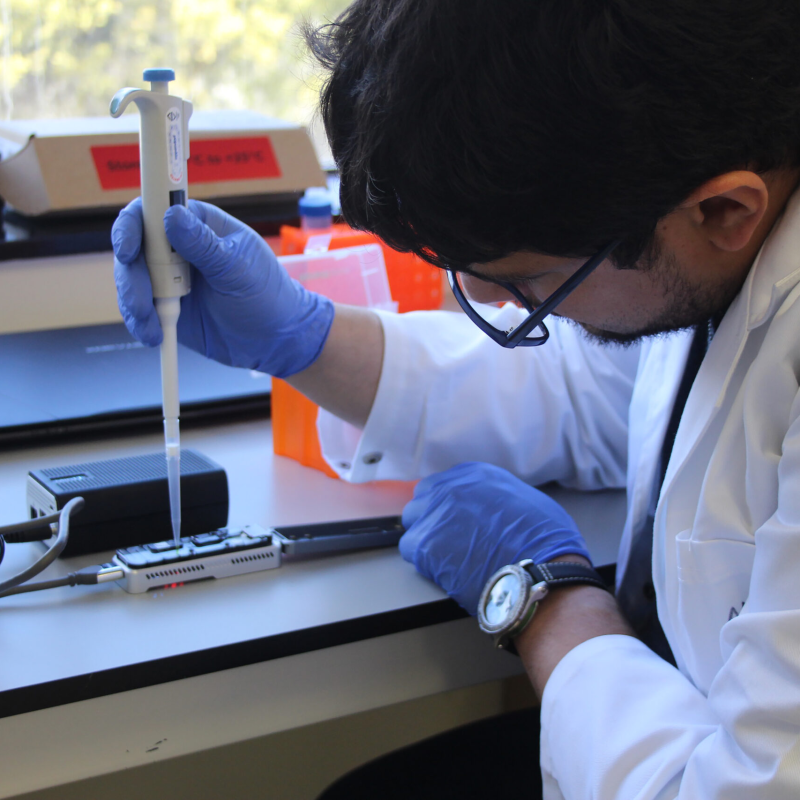
With the answer submerged, Queensland’s Department of the Environment, Tourism, Science and Innovation (DETSI) and Department of Local Government, Water and Volunteers partnered with James Cook University’s marine science research group TropWATER to launch an environmental DNA, or eDNA, survey of three Gulf waterways.
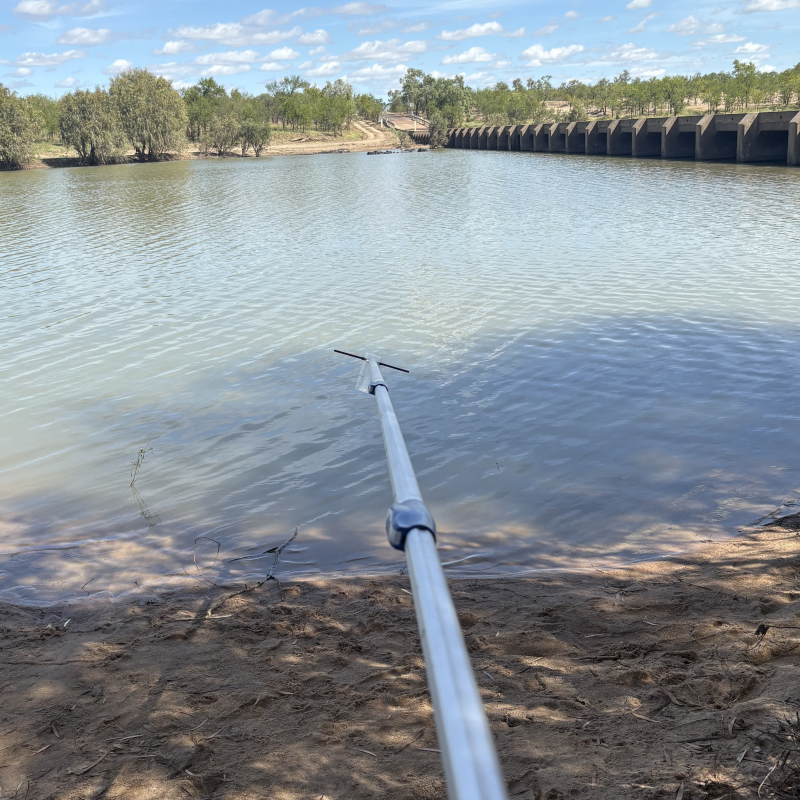
eDNA works by collecting water samples and analysing trace genetic material such as scales, mucus and excretions animals leave as they move through their environment.
This non-invasive, relatively affordable technique avoids the need to physically capture or disturb wildlife and is ideal for vast, hard-to-access river systems like those in the Gulf of Carpentaria.
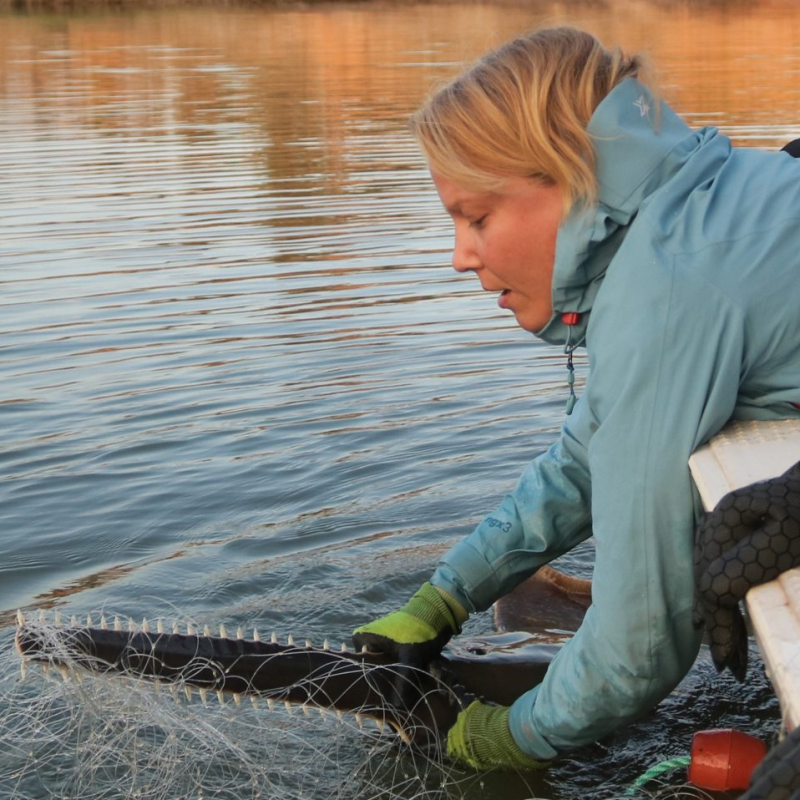
The project focused on three species of fish, for two very different reasons.
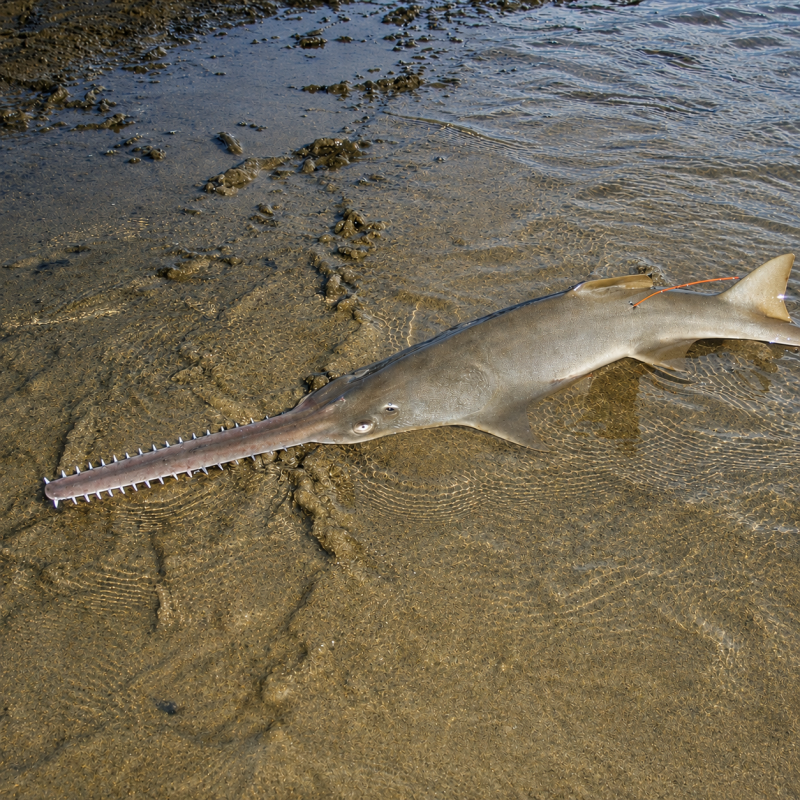
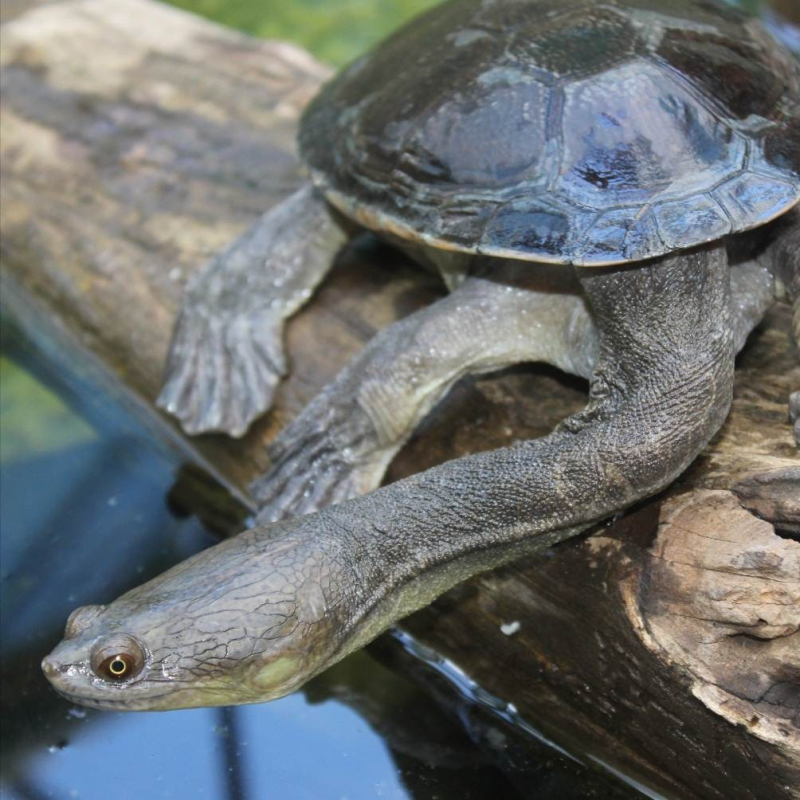
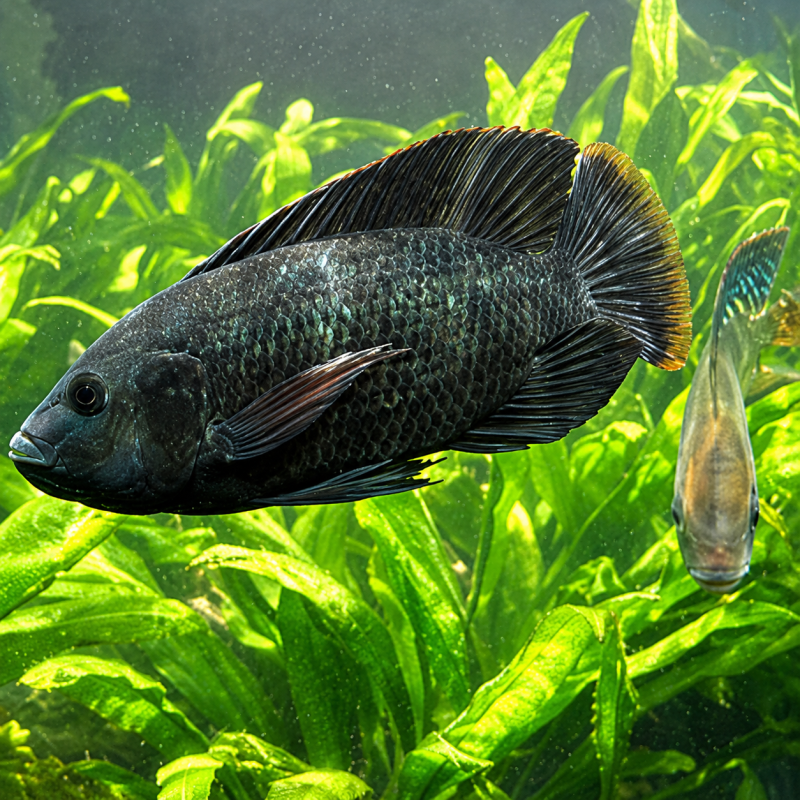
This included the largetooth sawfish, one of the world's most critically endangered fish, the northern snake-necked turtle, which holds deep cultural significance for Aboriginal and Torres Strait Islander communities in the region, and the Mozambique tilapia, which were illegally introduced in Australia during the 1970s.
For the largetooth sawfish and the northern snake-necked turtle, the eDNA work was about the preservation of these vulnerable species, making sure the disaster didn't severely impact their numbers.
When it came to the Mozambique tilapia, which has already spread across much of Queensland's east coast, outcompeting native species and disrupting ecosystems, researchers wanted to make sure the aggressive freshwater fish hadn't been pushed to new waterways in the state.
Major flooding events can act as a highway for invasive species, and the 2022-23 event raised concerns that tilapia may have used the floodwaters to push further into the southern Gulf.
Researchers selected eight sampling sites across the Leichhardt, Flinders, and Norman River systems, with samples collected across two rounds, in October 2024 during the dry season and again in May 2025 following the wet season, to capture any seasonal variation in species movement and distribution.
Significant results included the detection of largetooth sawfish in the Leichhardt River during the May 2025 sampling round, and northern snake-necked turtles in the Norman River during the October 2024 sampling.
Importantly, Mozambique tilapia weren’t detected at any of the eight sites, suggesting the flooding didn’t lead to them spreading into new territories across the southern Gulf.
Beyond the individual findings, the project created a baseline dataset for these species that can now be used to track changes in distribution over time and monitor the ecological impacts of future weather events.
eDNA sampling offers a scalable, evidence-based way to identify critical habitat, flag pest invasions early, and inform where resources should be focused.
The project was funded through the joint Commonwealth-state Disaster Recovery Funding Arrangements (DRFA) and administered by DETSI.
It was delivered as part of the Environmental Recovery Program established in response to the Northern and Central Queensland Monsoon and Flooding event that impacted large parts of the state over four months between December 2022 and April 2023.