Resilient work to turn the tide on community flood recovery
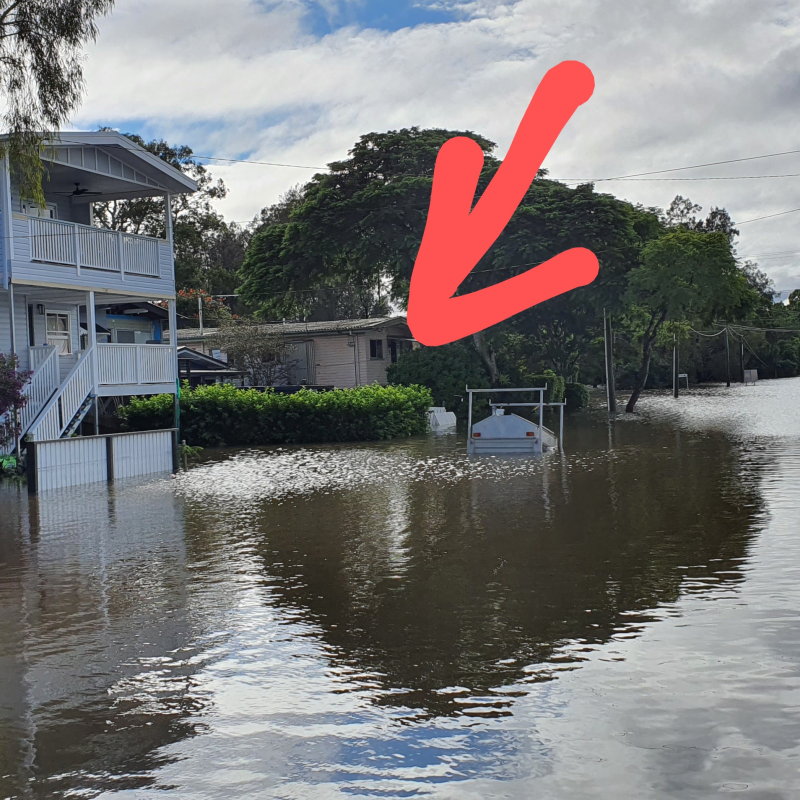
Between October 2021 and May 2022, four major flood events struck 39 local government areas across Queensland.
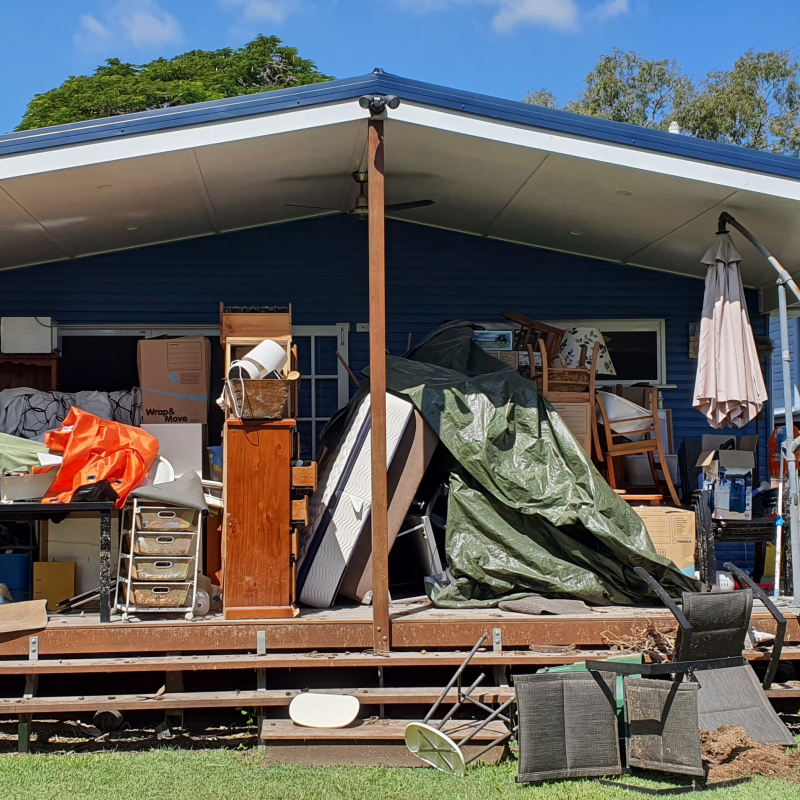
When the floodwaters receded, the Queenslanders impacted by this catastrophic disaster period were faced with significant challenges. Many would be unable to live in their homes ever again.
Around 7,000 properties were assessed as damaged, and nearly half were deemed uninhabitable.
While restoring public safety was the immediate focus of recovery efforts, government was also moved to quickly consider the impacts of future flood events likely growing in severity and scale, and how communities could become more resilient to this threat.
In response to the widespread disaster, the Queensland and Australian Governments announced the Resilient Homes Fund (RHF), jointly funded under the Disaster Recovery Funding Arrangements (DRFA).
The $741 million RHF program was built on a simple idea: recovery should do more than repair a home to how it was, it should leave families better prepared than before.
The RHF was designed to help Queensland homeowners rebuild stronger and better, reducing the physical, financial and emotional toll of future flooding events.
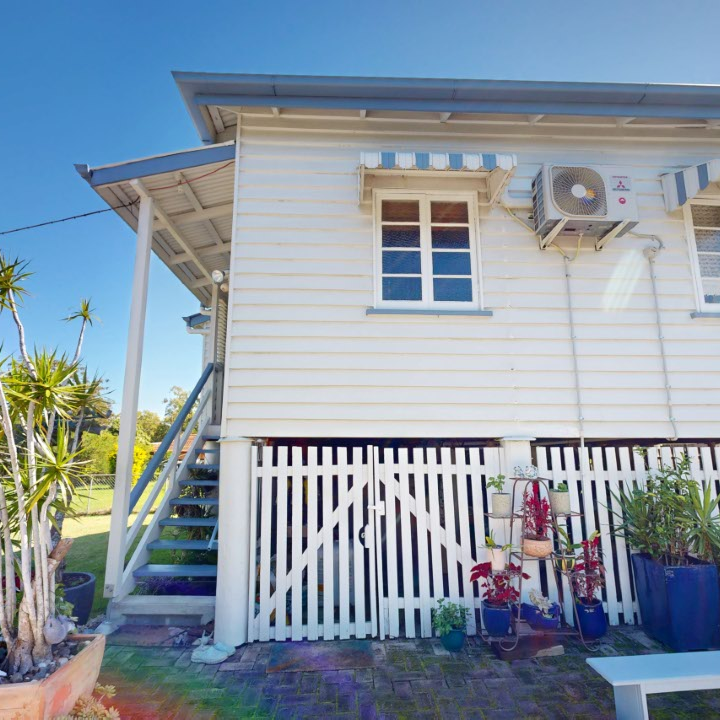
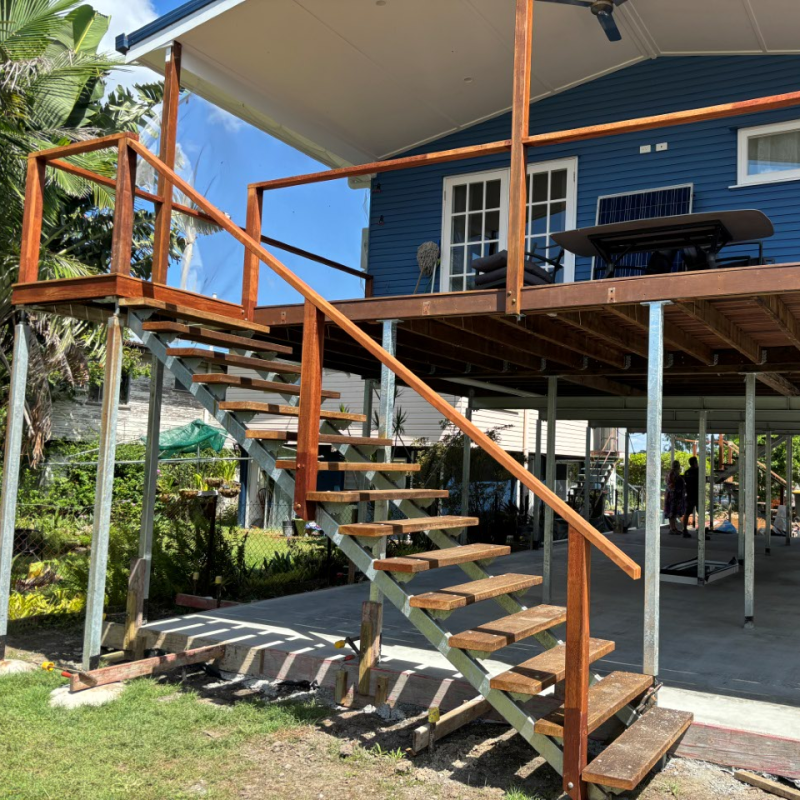
Under the RHF, homeowners could access funding to retrofit their homes with flood-resilient design and materials, raise them above flood level, or, in the highest-risk locations, sell their property through the Voluntary Home Buy-Back program.
During the application phase, community information sessions were held in the most affected areas.
The RHF team worked with councils and local neighbourhood centres in vulnerable communities to make sure those without access to a phone, email or internet were informed of the program.
The aim was that every eligible homeowner, whatever their circumstances, had the chance to build back better or move out of harm’s way.
In a first for the Queensland Government, the RHF also partnered with insurers so homeowners could carry out resilience upgrades alongside insurance repairs, if needed.
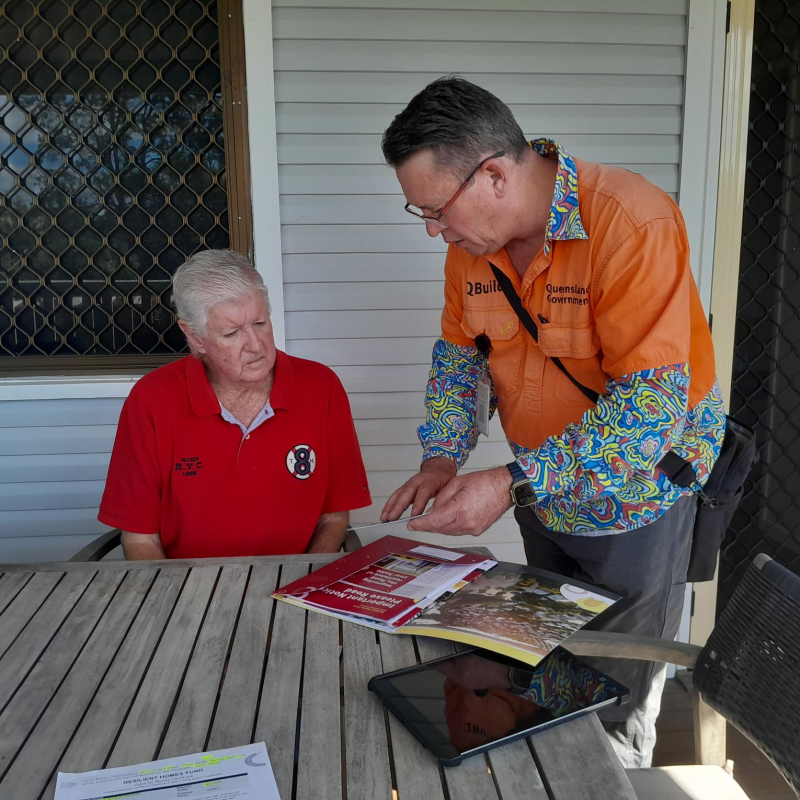
More than 5,500 tailored home assessment reports gave homeowners a clear picture of their own flood risk and the options that suited their property.
The program also lifted skills across the building industry, with more than 4,000 people attending 75 events in 45 locations, including seven Resilience Expos that connected homeowners with local builders ready to do resilience work.
Fast forward four years and more than 1,300 homes are now better able to withstand flooding.
This is close to one home made more resilient for every business day the program has run.
A further 687 properties have been bought back, demolished and rezoned, moving families out of the flood zone, and many of those sites are now parks, sporting fields, open space and conservation areas.
In a survey of 200 participants, 82 per cent said their flood risk awareness had improved, 89 per cent had a stronger understanding of flood-resilient design for future upgrades, and 68 per cent felt less concerned about severe weather after their works were finished.
The real-world test though came with Tropical Cyclone Alfred in early March 2025.
Among the 46 RHF homeowners who reported back, every raised home came through with no damage to living areas, and 95 per cent of retrofitted homes suffered no damage to their resilience works.
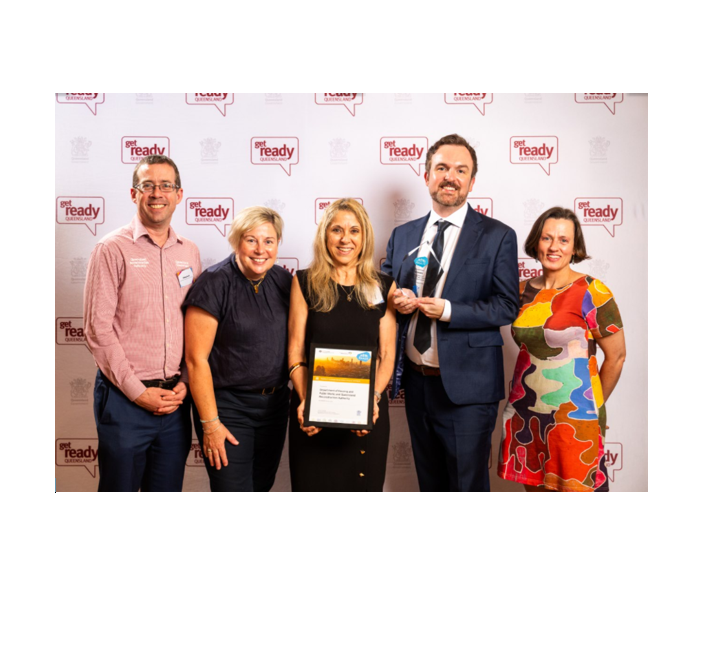
The RHF has set a benchmark for community resilience programs in Australia and was recently a joint winner in the State Government category at the 2026 Resilient Australia Awards.
The award reflects a strong partnership between the Queensland Department of Housing and Public Works, which has delivered the House Raising and Resilient Retrofit programs, and the Queensland Reconstruction Authority, which contributed its disaster recovery and resilience expertise to the Voluntary Home Buy-Back program.